
HMRC investigations rarely start with something dramatic.
In most cases, they begin with small issues that build up over time. Missed deadlines, inconsistent records, or unusual figures can quietly flag your account for review.
If you are self-employed or running a business in the UK, understanding what HMRC looks for can help you avoid unnecessary stress, penalties, and scrutiny.
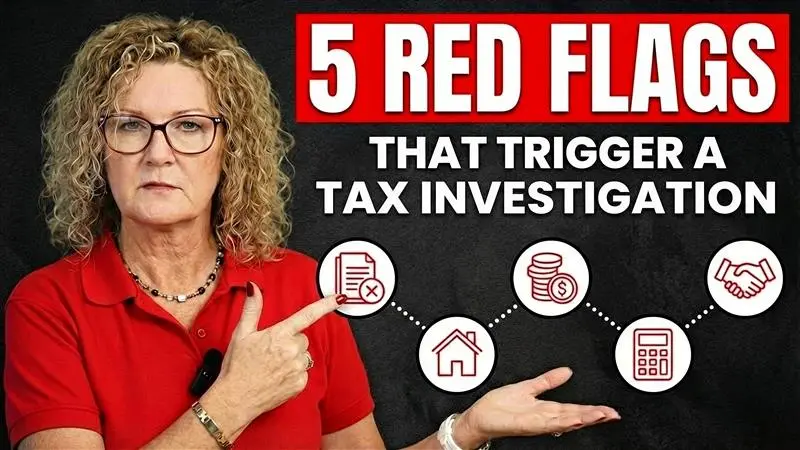
In this guide, we break down five common red flags that trigger HMRC investigations and what you can do to stay compliant.
1. Using Personal Accounts for Business Income
One of the biggest red flags is mixing personal and business finances.
If you are using:
- a personal bank account
- PayPal
- Stripe
- marketplaces like Etsy or eBay
for business income, HMRC can easily spot irregular patterns.
HMRC uses data systems to cross-check:
- bank transactions
- platform income
- publicly available information
If your declared income does not match the money flowing into your accounts, it creates a discrepancy.
For example, if your tax return shows £55,000 income but your accounts show £75,000 in total receipts, HMRC will ask questions.
This does not automatically mean wrongdoing, but it does trigger attention.
Even non-business income such as loans, side income, or occasional sales can create confusion if not properly documented.
The safest approach is to:
- use a dedicated business bank account
- keep business and personal transactions separate
- maintain clear records
This creates a clean audit trail and reduces the likelihood of further investigation.
2. Claiming Unrealistic Expenses
Claiming expenses is normal, but unrealistic or excessive claims are a common trigger.
HMRC does not just look at your numbers in isolation. It compares your business to others in the same industry.
If your expenses are unusually high relative to your income, you may stand out.
For example:
- high expenses with low profit
- costs significantly above industry norms
- large or repeated claims without clear justification
HMRC may ask:
- how you are living on the remaining income
- whether expenses are genuinely business-related
If you cannot provide evidence such as receipts or invoices, those expenses may be disallowed.
To avoid this:
- only claim expenses that are wholly and exclusively for business
- keep proper documentation
- sense-check large or unusual claims
Being aggressive with expenses can cost more in the long run if challenged.
3. Cash-Heavy Activity Without Proper Records
Cash businesses are not illegal, but they receive more scrutiny.
HMRC often cross-checks:
- declared turnover
- stock purchases
- supplier invoices
- staffing levels
- business activity
If your reported income does not align with these indicators, HMRC may assume underreporting.
For example:
- low declared sales but high supplier spend
- inconsistent cash records
- gaps in daily takings
Poor record-keeping is often mistaken for deliberate omission.
To stay protected:
- record all cash transactions
- reconcile takings regularly
- maintain a clear audit trail
The key is consistency. If your records tell a clear story, HMRC is less likely to escalate the issue.
4. Unusual VAT Behaviour
VAT returns are a common starting point for HMRC enquiries.
HMRC looks for patterns, and unusual behaviour can trigger a review.
Common red flags include:
- late VAT returns
- frequent nil returns
- repeated VAT repayment claims
- sudden drops in turnover
If your VAT figures do not match other data sources, such as payment processors or website activity, HMRC may investigate further.
Another key issue is business separation.
If you operate multiple businesses that:
- share customers
- use the same branding
- operate from the same premises
HMRC may treat them as one business for VAT purposes. This is known as disaggregation and can result in backdated VAT liabilities.
To reduce risk:
- file VAT returns on time
- ensure figures are consistent
- keep businesses genuinely separate
VAT issues often lead to wider investigations beyond VAT itself.
5. Late Filings and Payments
Missing deadlines is one of the fastest ways to attract attention.
For Self Assessment:
- missing the 31 January deadline results in an automatic £100 penalty
- additional penalties and interest apply over time
Late payment creates further issues:
- interest starts immediately
- penalties increase the longer the balance remains unpaid
If delays continue, HMRC may:
- estimate your tax bill
- pursue enforcement action
- recover funds directly
With Making Tax Digital increasing reporting frequency, there will be more deadlines to manage.
To stay compliant:
- file returns on time
- communicate early if you cannot pay
- use software and reminders
Consistency is key. Regular delays suggest poor control and increase the likelihood of investigation.
What Happens If HMRC Opens an Enquiry?
Most enquiries start with a letter.
This does not mean you have done anything wrong. It usually means something did not match HMRC’s data.
HMRC may request:
- bank statements
- receipts and invoices
- explanations of transactions
Problems arise when people:
- ignore the letter
- provide incomplete information
- submit disorganised records
A clear and professional response can resolve an enquiry quickly. Poor records often make the situation worse.
Final Thoughts
HMRC investigations are rarely random.
They are usually triggered by:
- inconsistencies
- unusual patterns
- missing information
The best way to avoid issues is to:
- keep accurate records
- separate business and personal finances
- file and pay on time
- deal with problems early
Good systems reduce risk significantly.
Need Help Staying HMRC Compliant?
If you are unsure whether your records or tax returns would stand up to HMRC scrutiny, it is better to review them before there is a problem.
We help UK business owners:
- clean up bookkeeping
- identify risks early
- stay compliant with HMRC