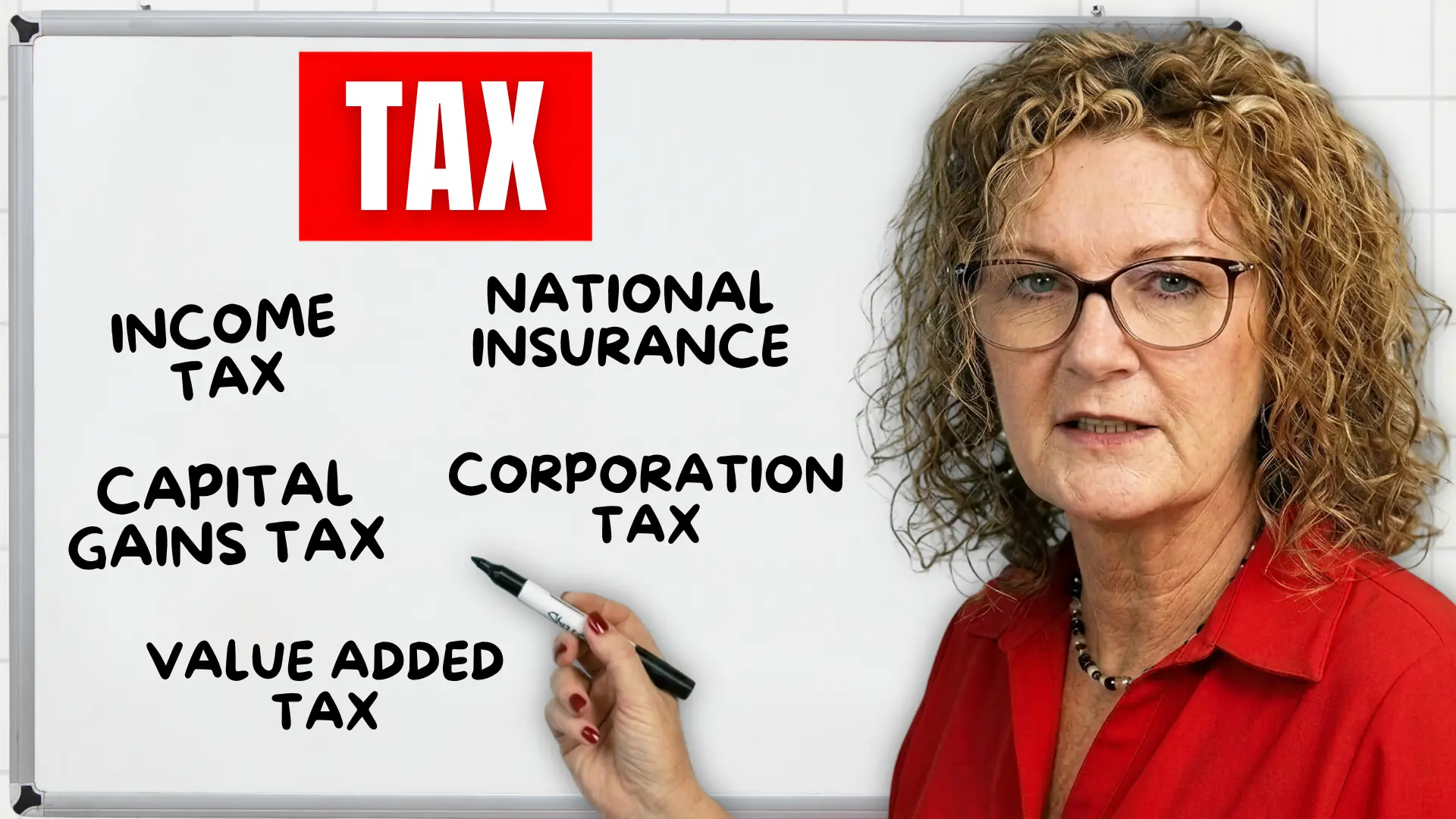
Tax is one of the biggest forces shaping how much of your income you actually keep, whether you are employed, self-employed, or running a limited company.
Many people focus on earning more, but even as their income increases, they still feel financially stuck. That is usually not an income problem. It is a tax problem they have not fully understood yet.
In this guide, we explain how the UK tax system really works once tax is layered onto your income, and why understanding it changes how you make financial decisions.
What Is Tax and Why It Exists
At its simplest level, tax is money paid to the government to fund public services such as healthcare, education, infrastructure, and emergency services.
Beyond funding, tax also shapes behaviour. The system is influenced by progressive taxation, economic stability, government spending requirements, and incentives that encourage or discourage certain activities.
Understanding this helps explain why the system works the way it does.
The First Reality: Your Payslip Is Not What You Earn
For employees, the first shock is usually the payslip. Once your income goes above the personal allowance of £12,570, Income Tax applies. At the same time, National Insurance is also deducted.
This means your effective tax rate is higher than it first appears. For many people, 20 percent Income Tax becomes closer to 28 percent once National Insurance is included. Higher earners can face even higher effective rates.
There is also a key threshold at £100,000. Above this point, your personal allowance starts to reduce, creating an effective tax rate of around 60 percent on part of your income.
Business Owners: Profit Is Not Your Money
If you run a business, the situation becomes more complex.
As a sole trader, your business profit is treated as personal income and you pay Income Tax and National Insurance on that profit. Unlike employment, tax is not deducted automatically. You receive the full income first and pay tax later. This often leads to people spending based on gross income and being caught out by the tax bill.
A simple rule is to set aside a percentage of profits regularly to cover future tax.
With a limited company, profits belong to the company. Corporation Tax is paid first, and you then extract money personally. This creates two layers of tax: Corporation Tax and personal tax.
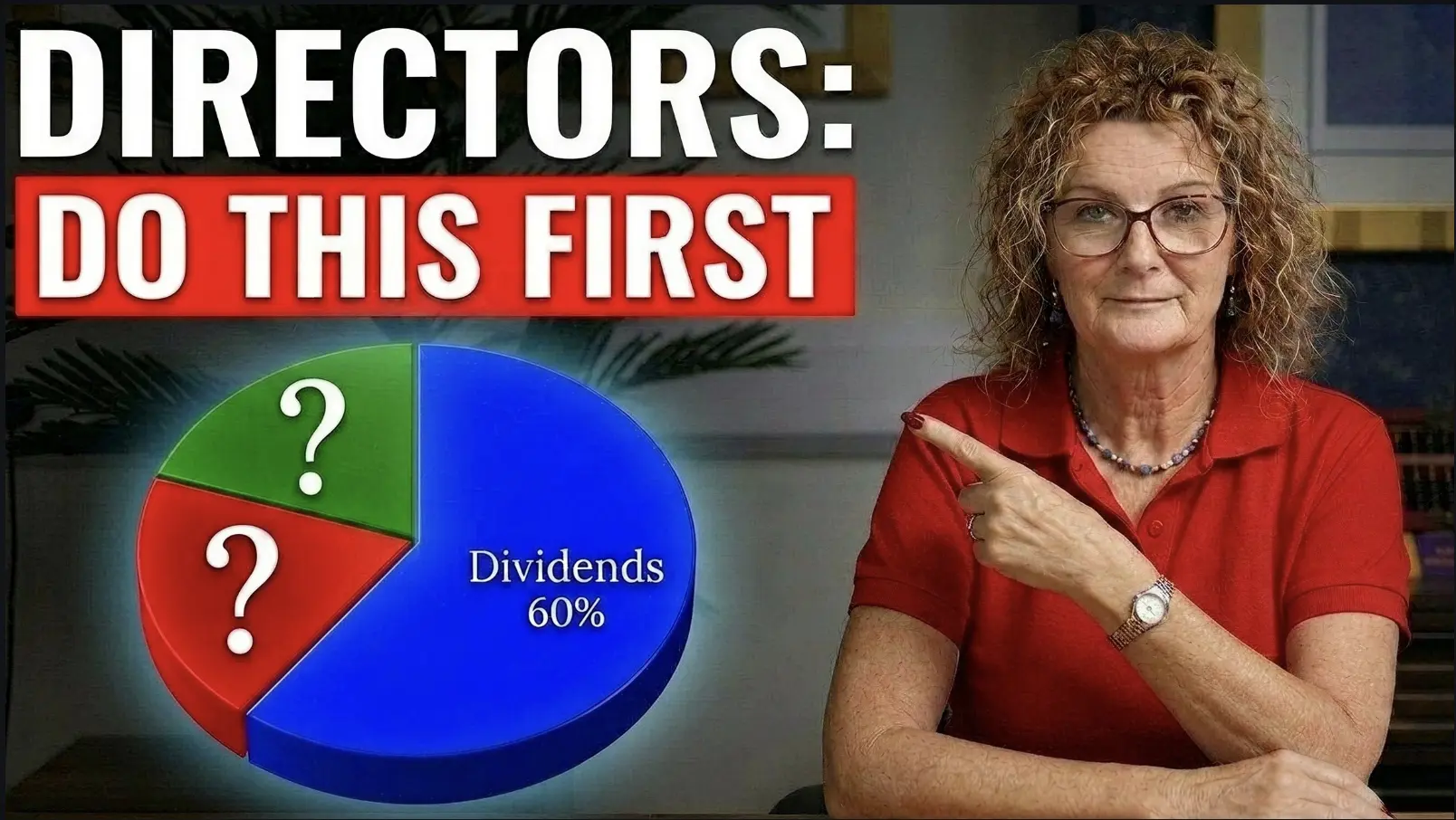
Income can be taken as salary, dividends, or pension contributions, each with different tax implications. The same profit can lead to very different personal outcomes depending on how it is extracted.
The Hidden Challenge: Payments on Account
For many self-employed individuals, the biggest surprise is not the first tax bill. It is the second.
HMRC may require advance payments towards the next year’s tax. This means you could pay your current year’s tax and advance payments for the following year. This creates a cash flow challenge, especially in the early years of business.
The Quiet Tax Increase: Fiscal Drag
Tax does not always increase through higher rates. Sometimes thresholds stay the same while income rises. This is known as fiscal drag.
As your income increases, more of it falls into higher tax bands and your effective tax rate increases. Even if your income keeps up with inflation, your real financial position may not improve.
Tax Does Not Stop When You Get Paid
Tax does not end when you receive your income. It continues when you spend it.
Most goods and services include VAT, typically at 20 percent, meaning your income is taxed again when you use it. Other indirect taxes such as fuel duty, alcohol duty, vehicle taxes, and council tax further reduce your purchasing power.
Capital Gains Tax and Inheritance Tax
Some taxes appear at key moments rather than regularly.
Capital Gains Tax applies when you sell assets that have increased in value. For 2026, rates are 18 percent for basic rate taxpayers and 24 percent for higher rate taxpayers, with a £3,000 annual exemption.
Inheritance Tax applies to estates above certain thresholds. The standard threshold is £325,000, with additional allowances in some cases. Amounts above the threshold are typically taxed at 40 percent.
The Silent Factor: Inflation
Even if you manage tax effectively, inflation still reduces the value of your money over time.
If your money is not growing, it is losing purchasing power. This makes long-term planning essential.
A Simple Framework for Better Financial Decisions
Before making financial decisions, it helps to ask a few key questions.
What type of income is it
When is it taxed
What thresholds apply
What is the marginal rate
What do you actually keep
These questions help you see the full picture and make better decisions.
What You Can Do About It
Improving your financial position is not just about earning more. It is about using the system effectively.
Use available allowances, structure income efficiently, and plan ahead rather than reacting. Small changes can make a significant difference over time.
Final Thoughts
If you do not understand how your money is taxed, you are making decisions without the full picture.
Once you understand it, your thinking changes. Instead of focusing on how much you earned, you focus on how much you kept.
That shift is what actually moves you forward.
Need Help Optimising Your Tax Position?
If you want to understand how tax applies to your situation and improve your financial outcomes, professional advice can make a measurable difference.
We help UK individuals and business owners structure income efficiently, reduce tax legally, and plan for long-term growth.